Ghost 2025
Ghost 2025
Skeletour
Overview
Overview
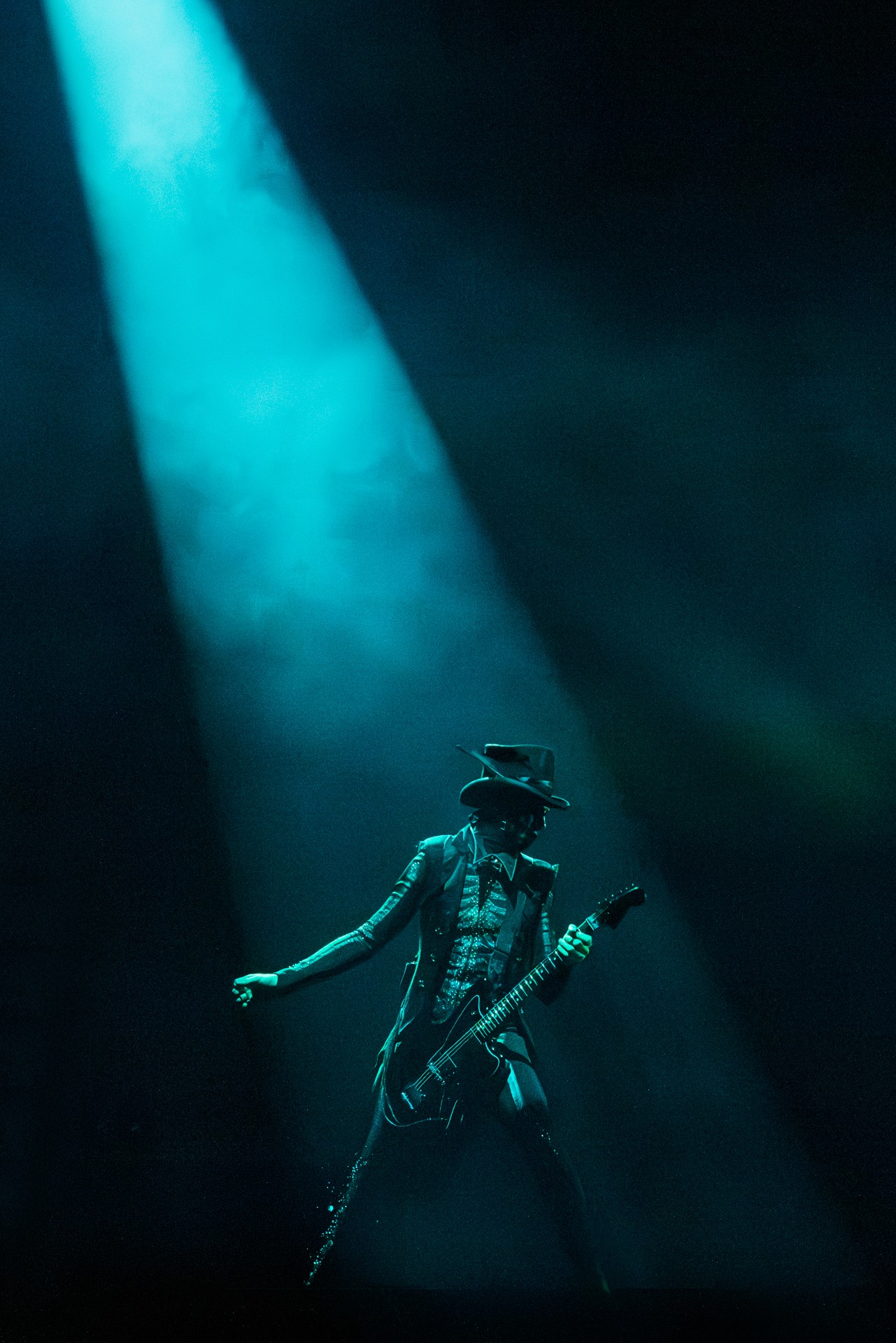
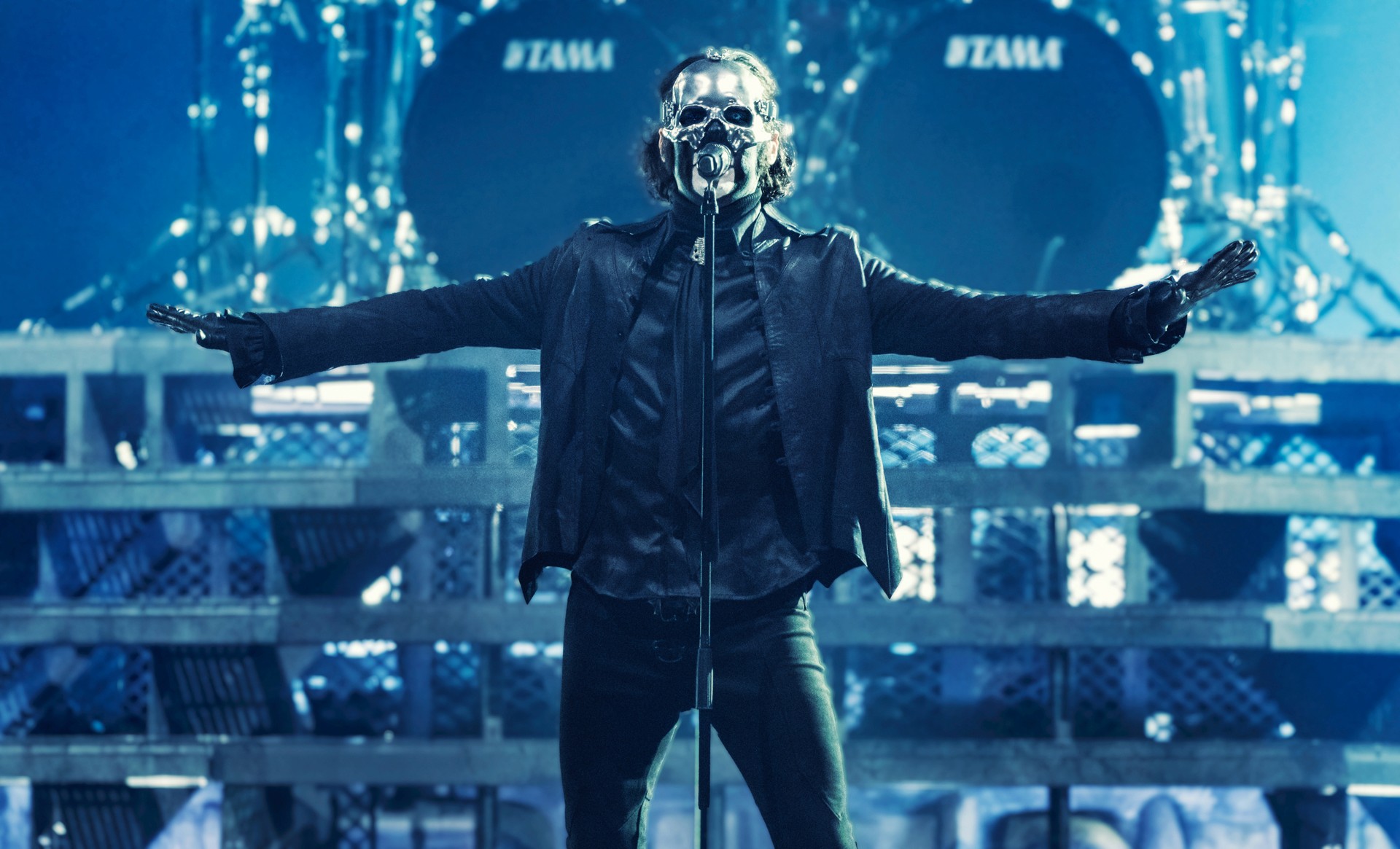
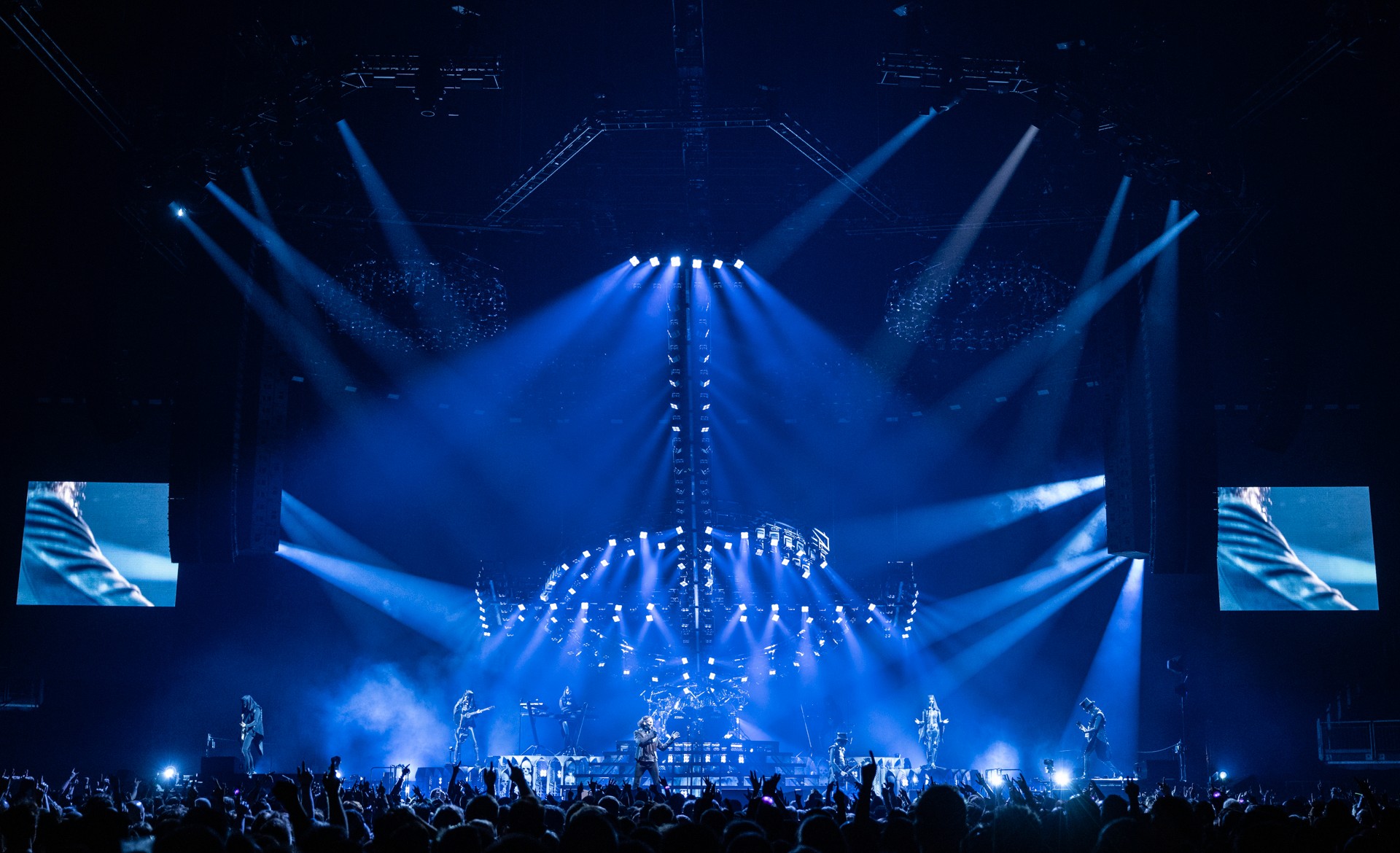
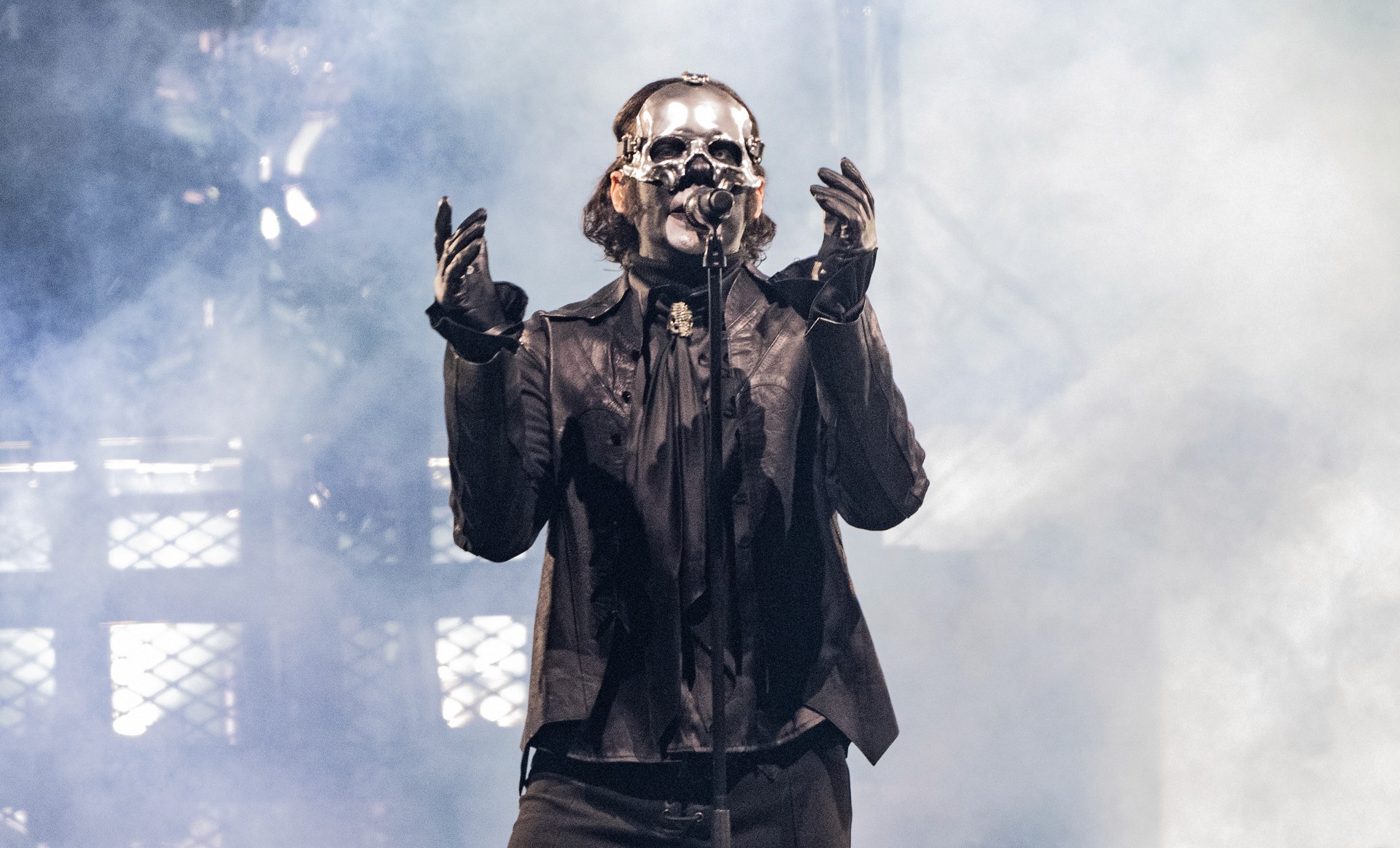
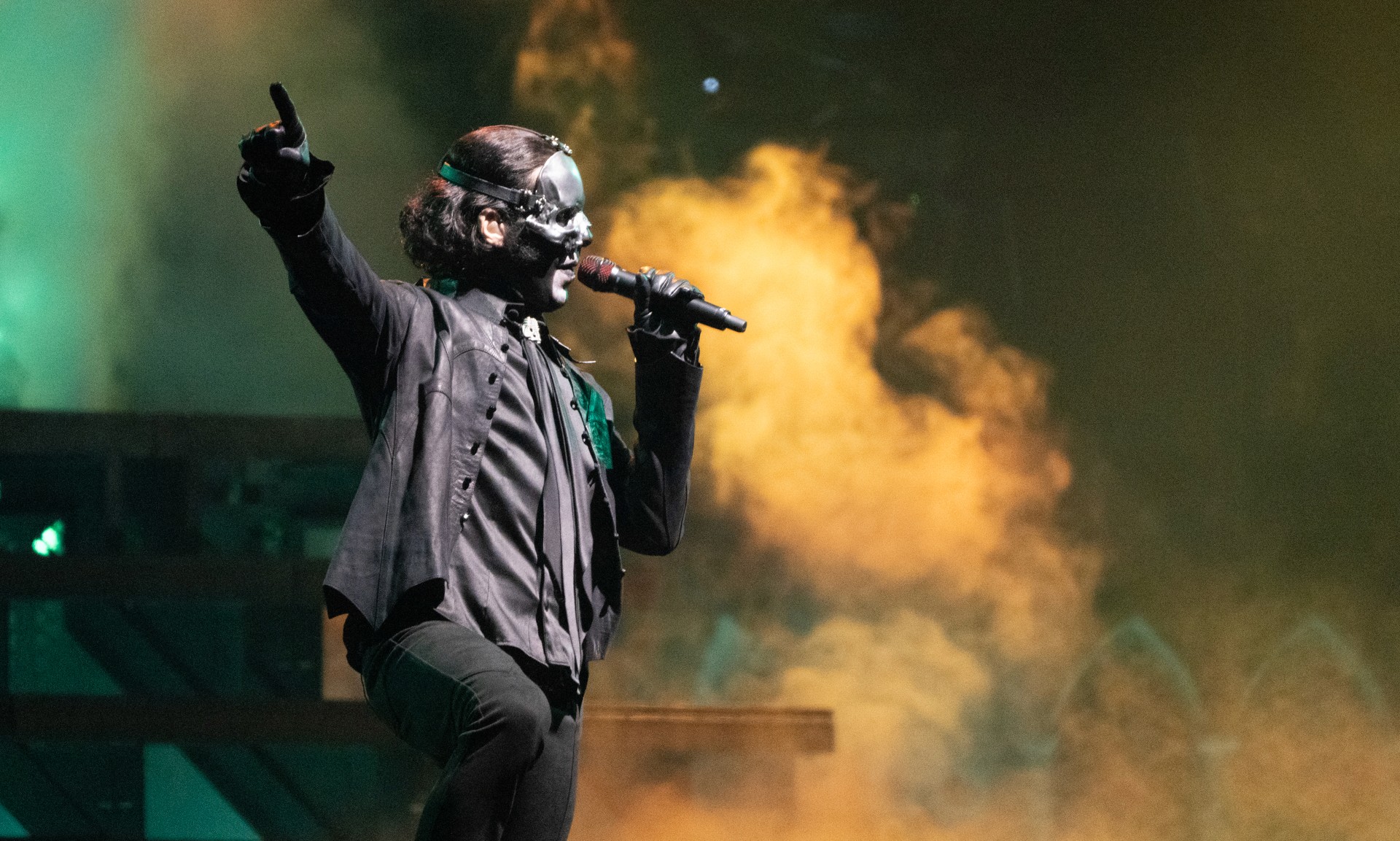
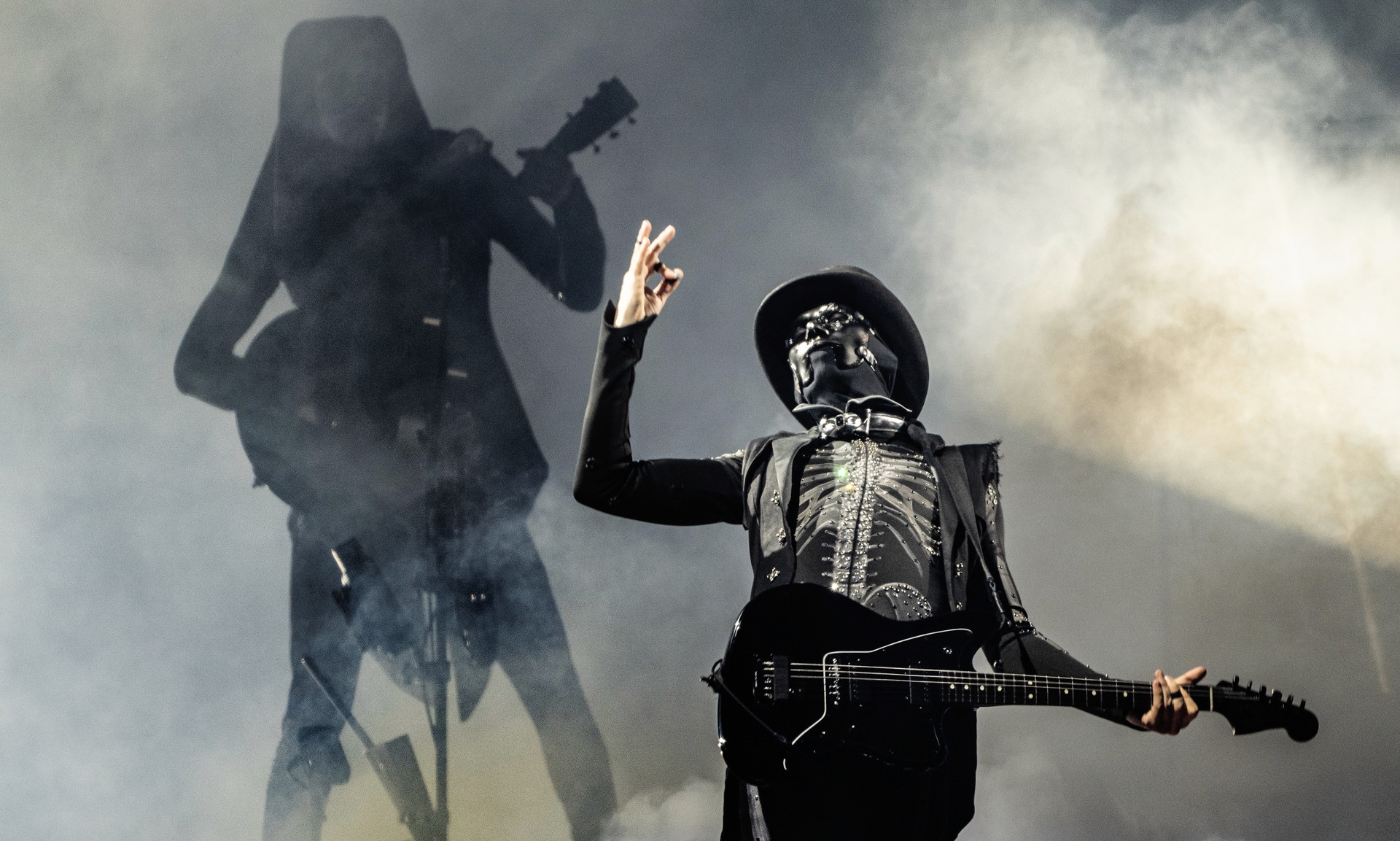
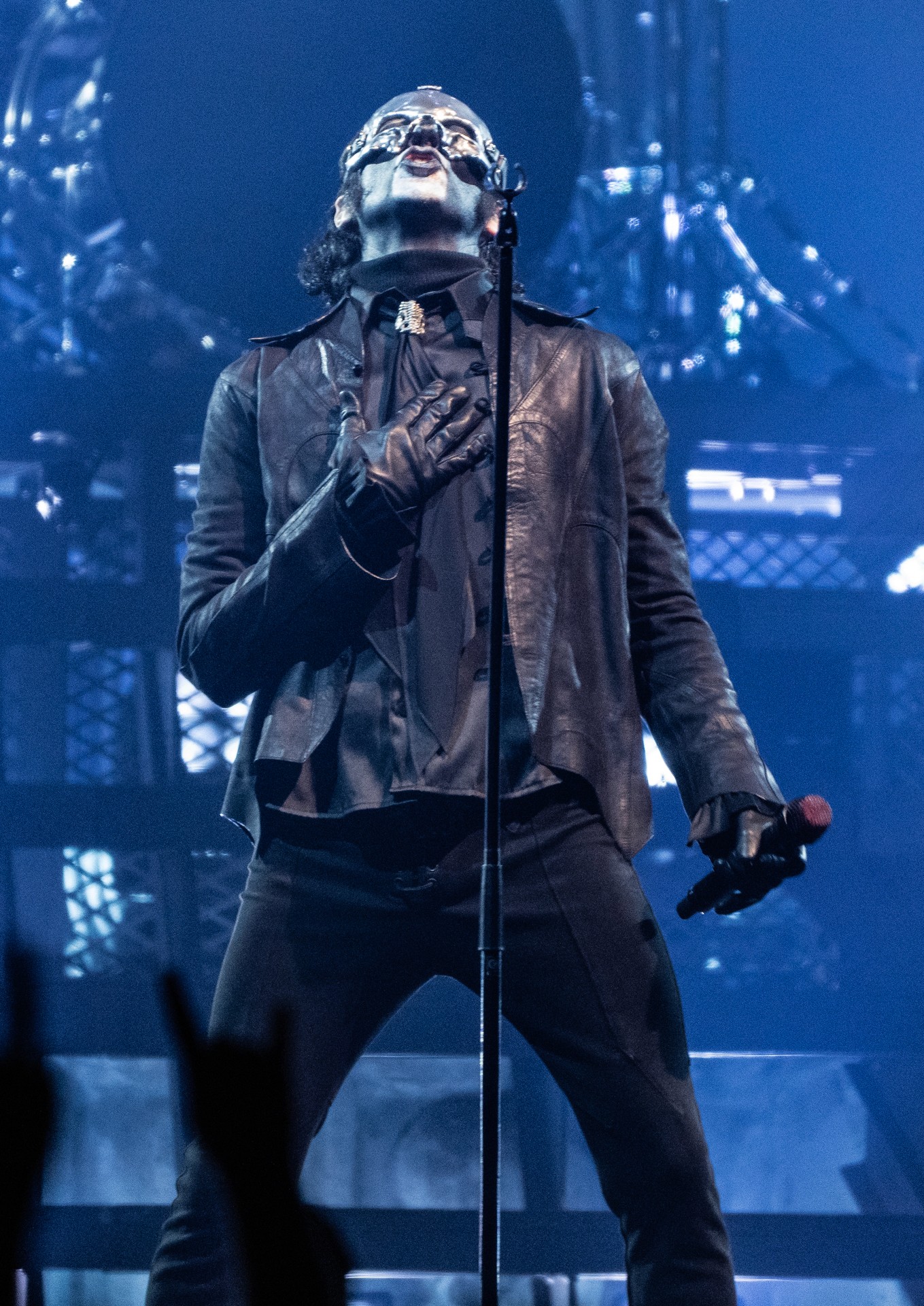
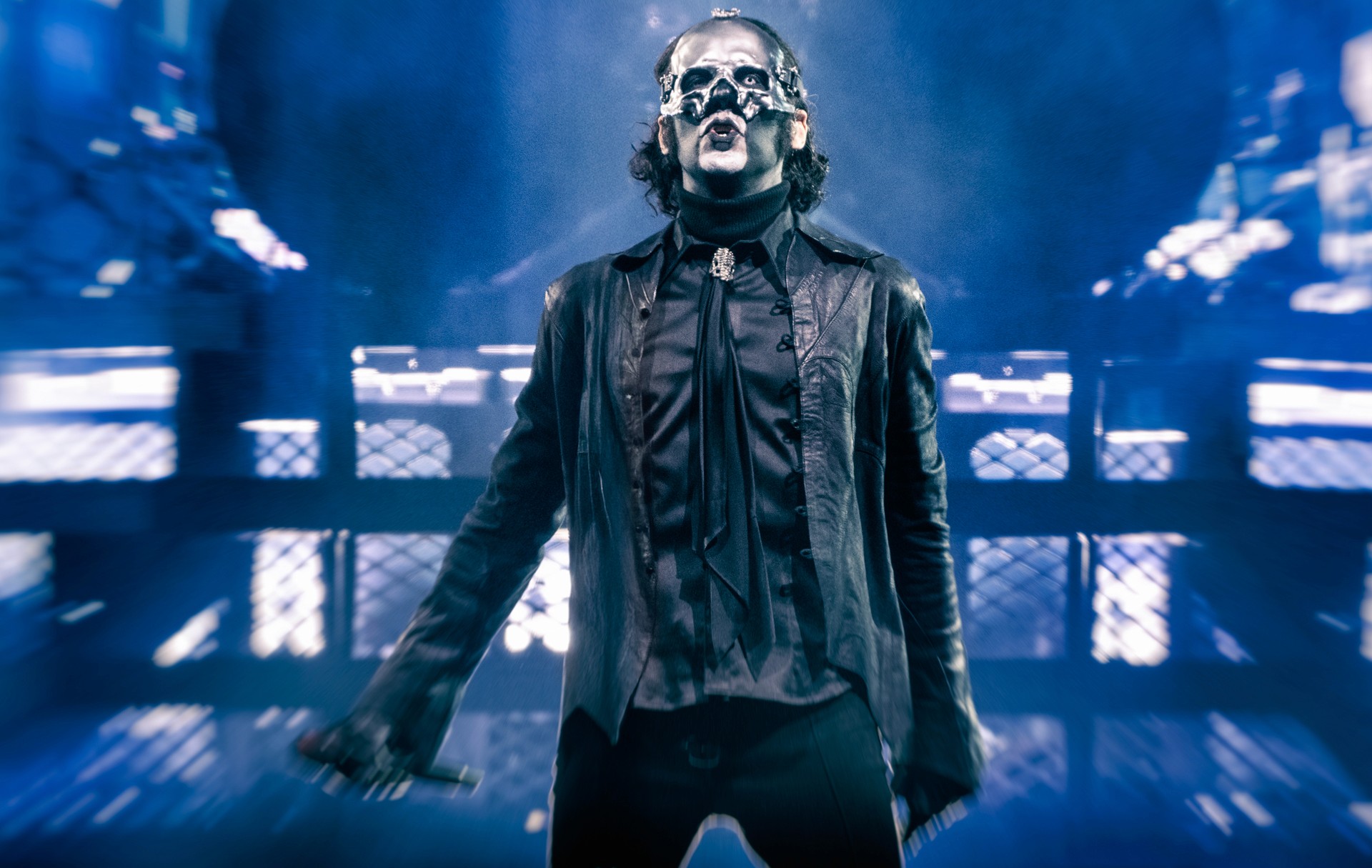
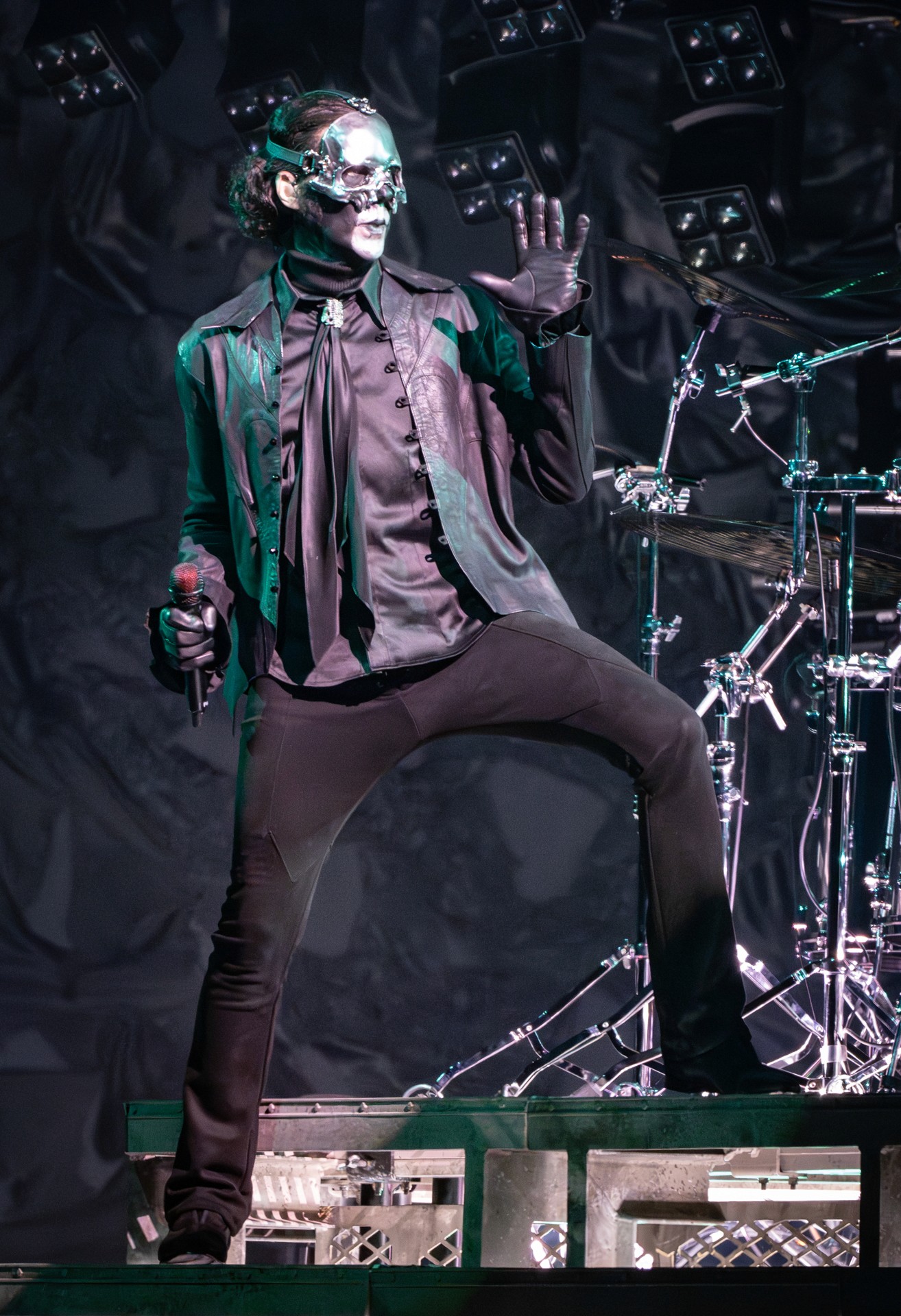
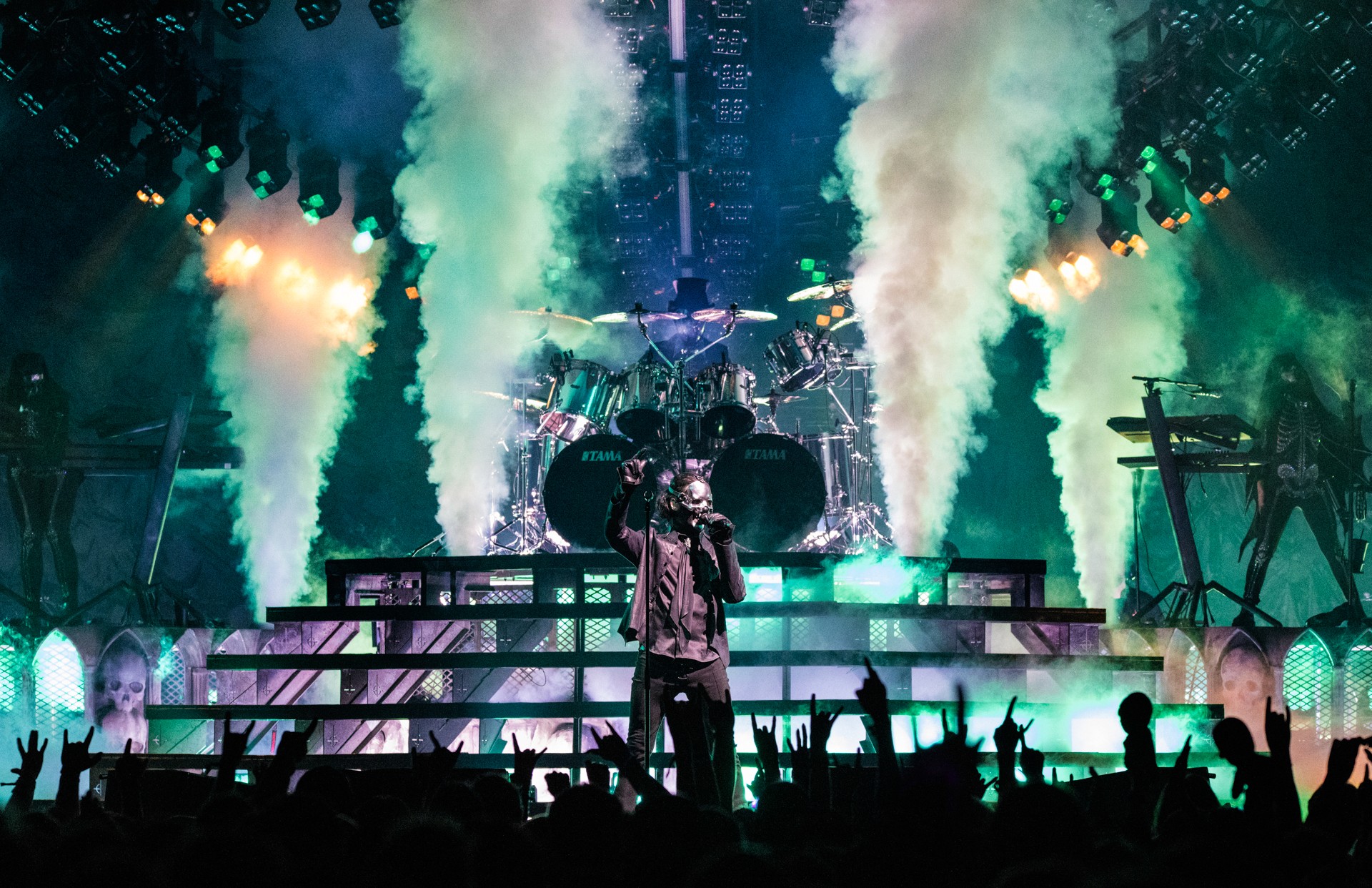
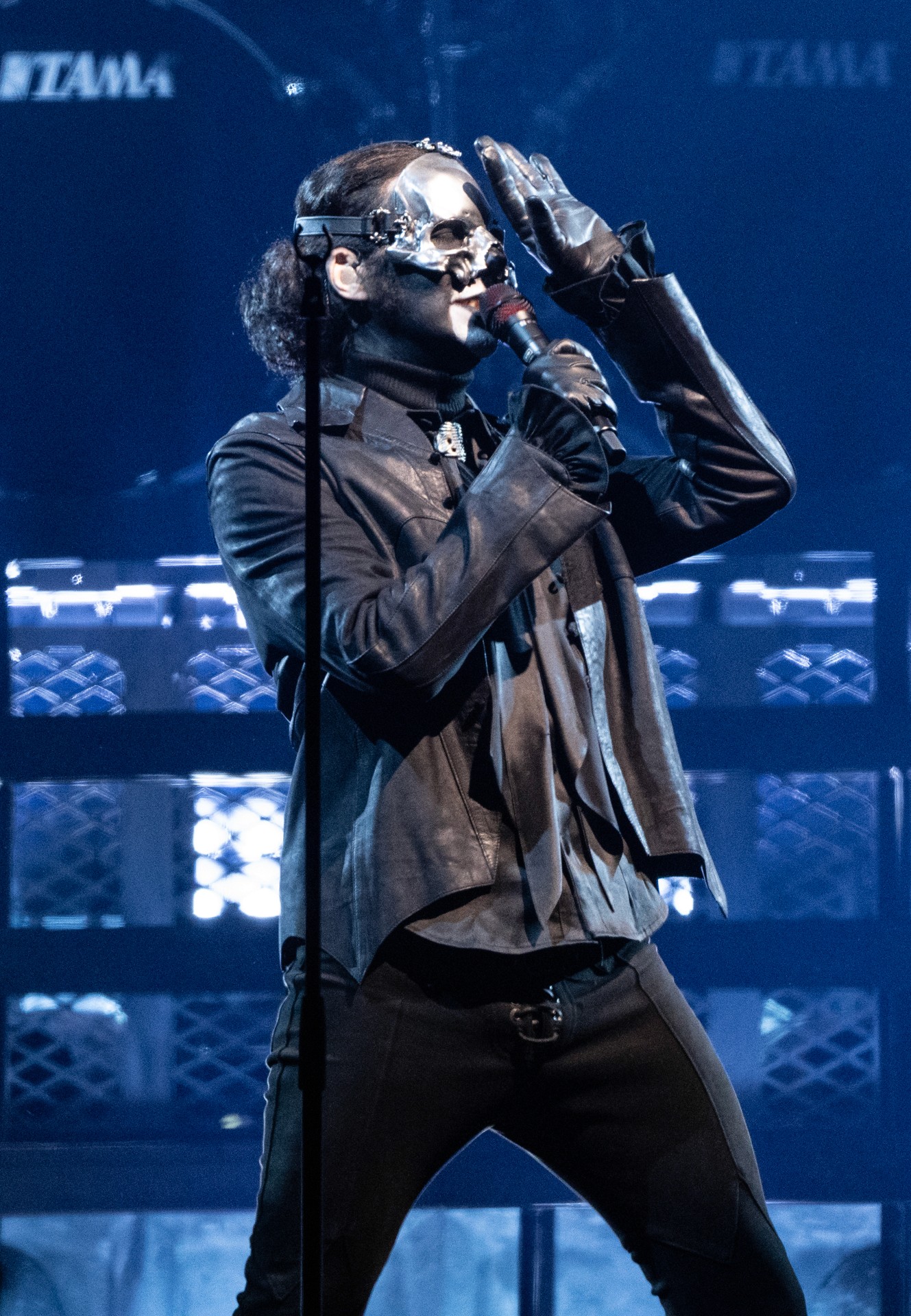
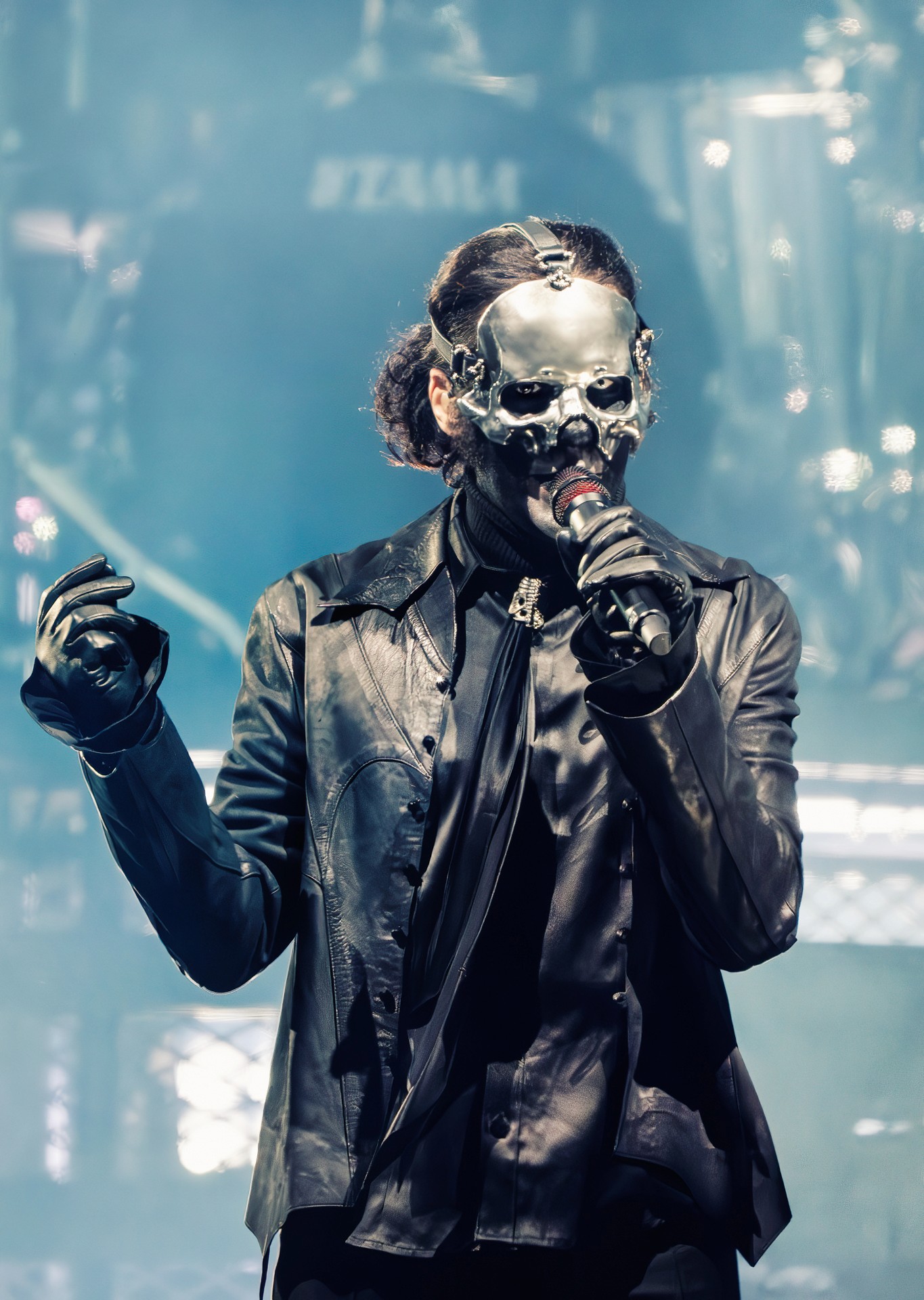
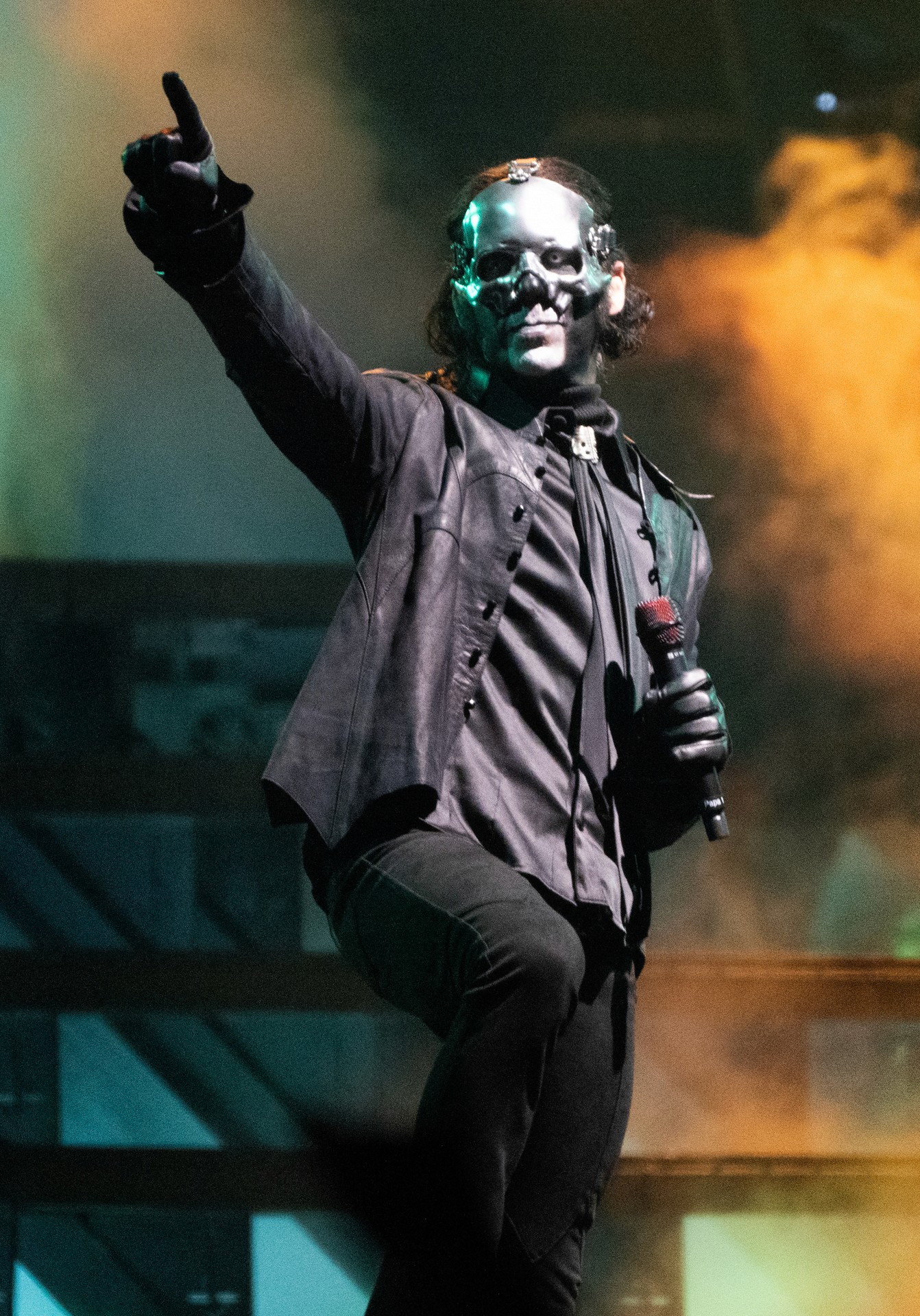
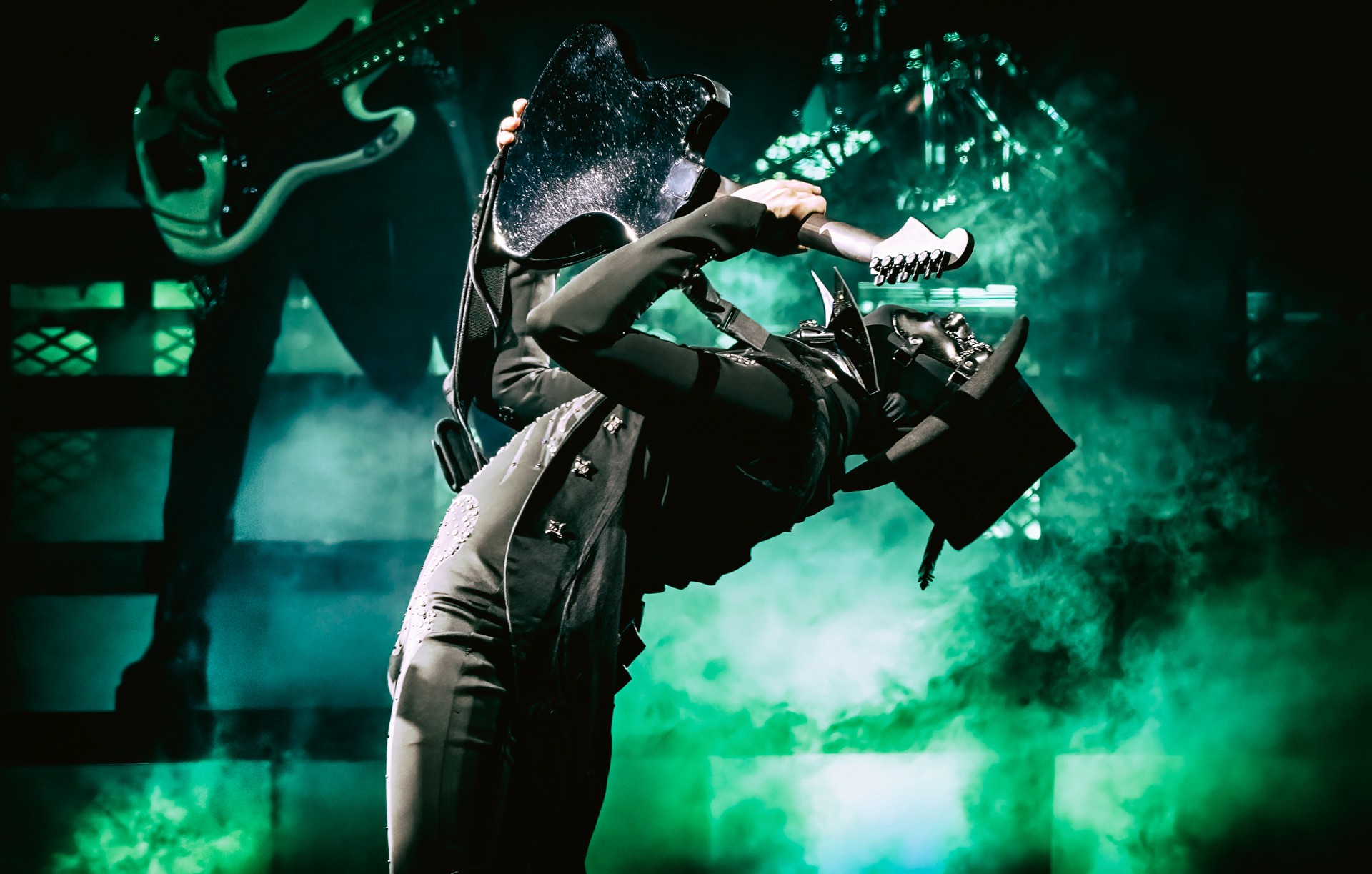
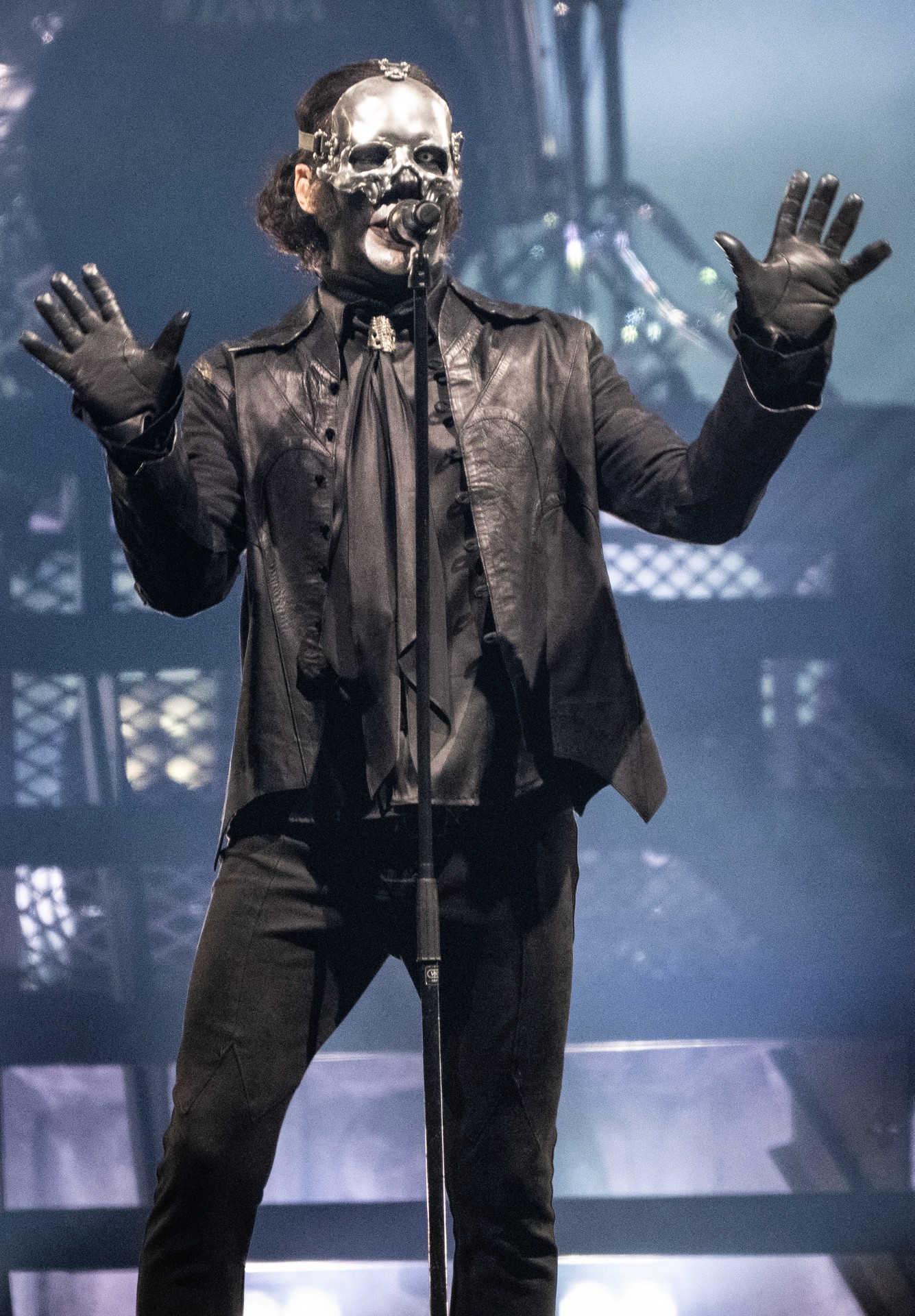
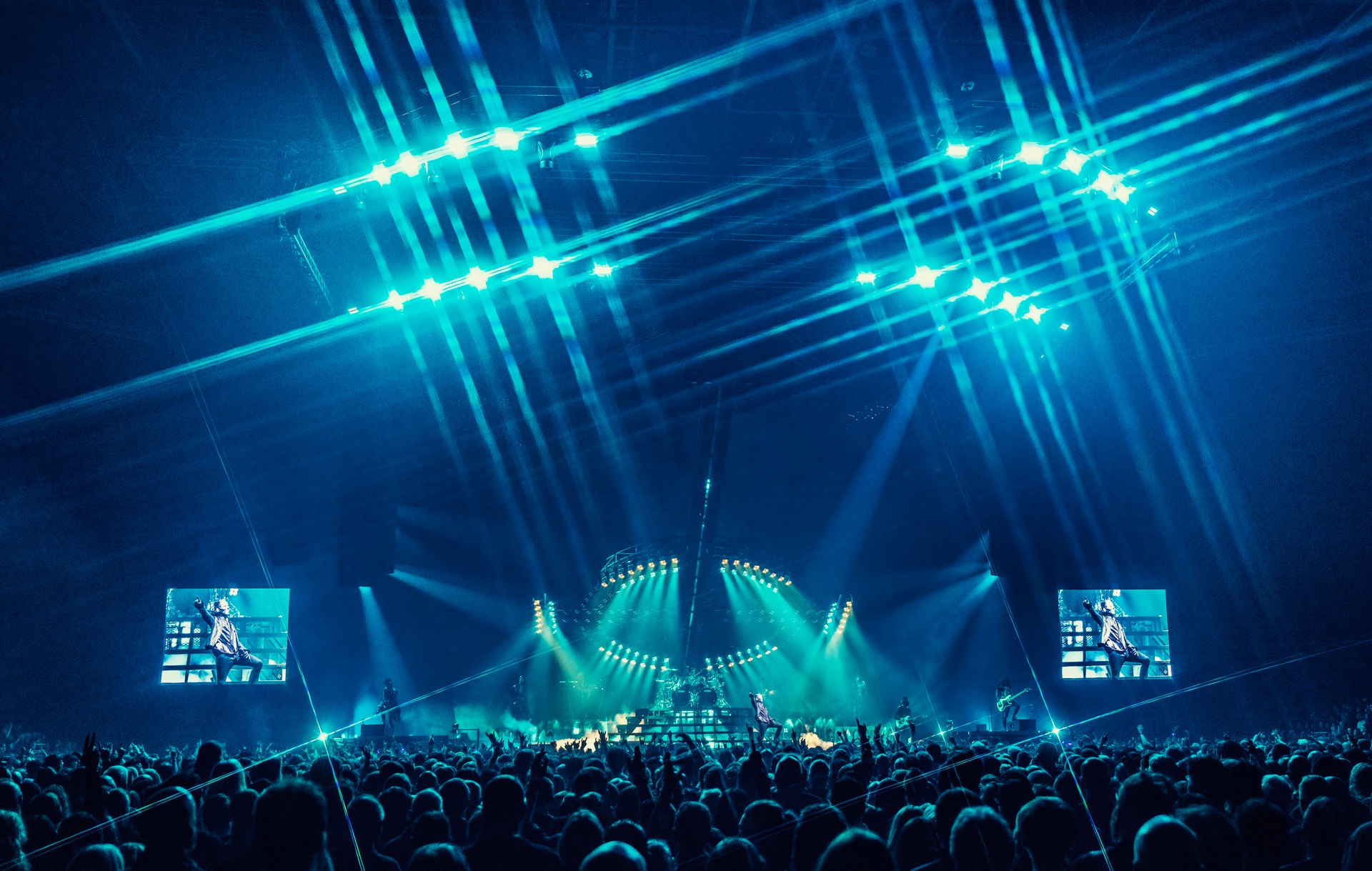
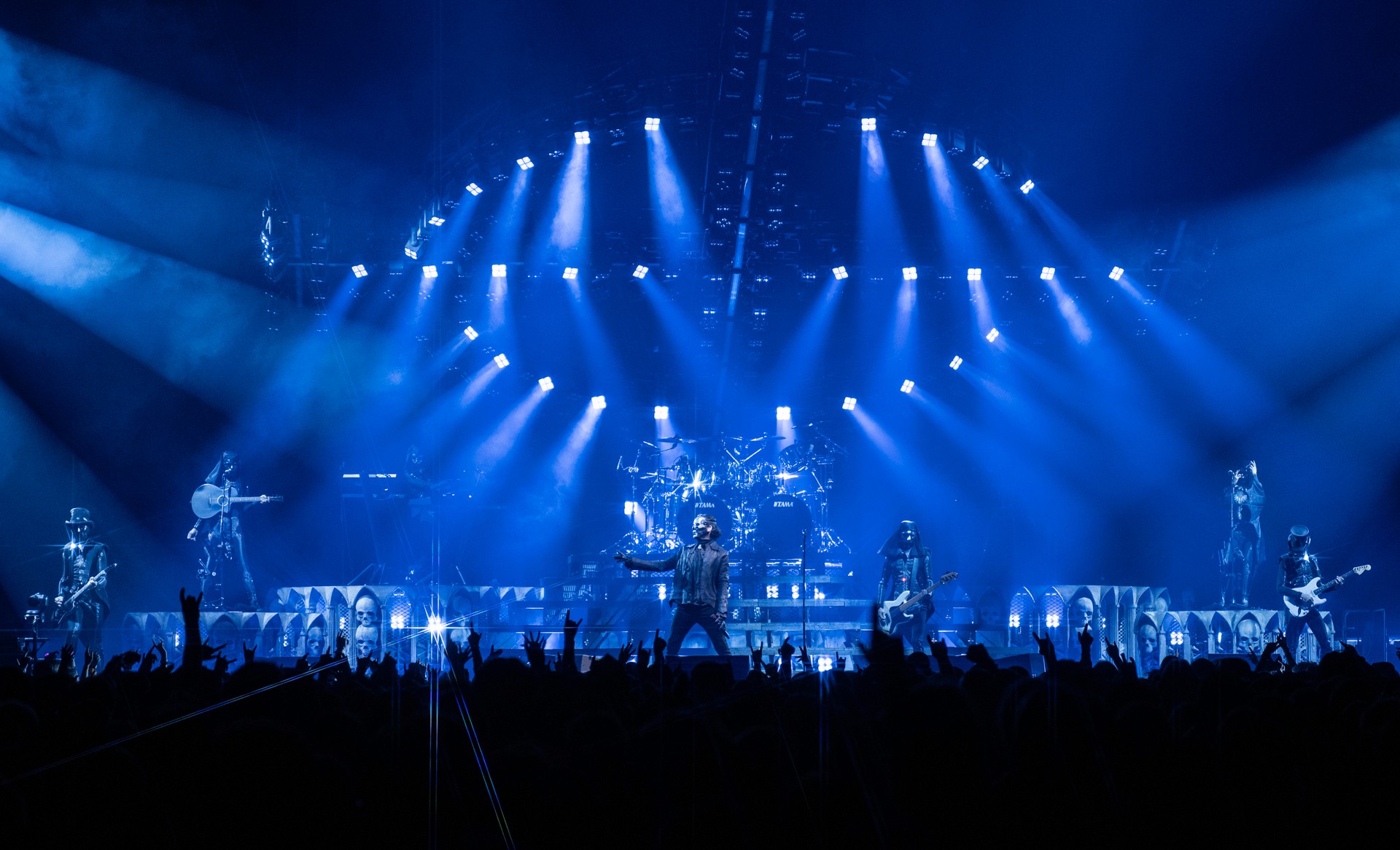
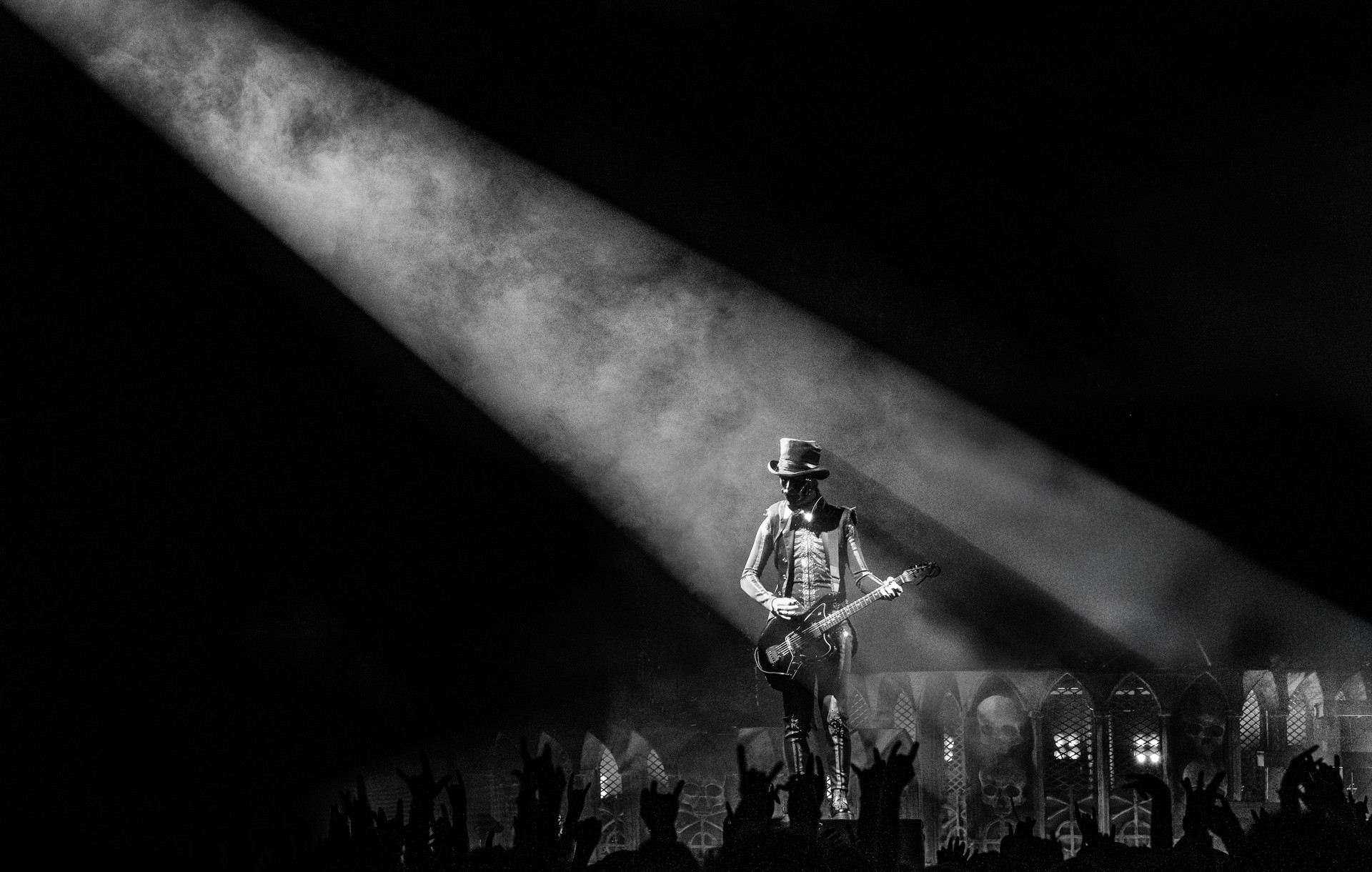
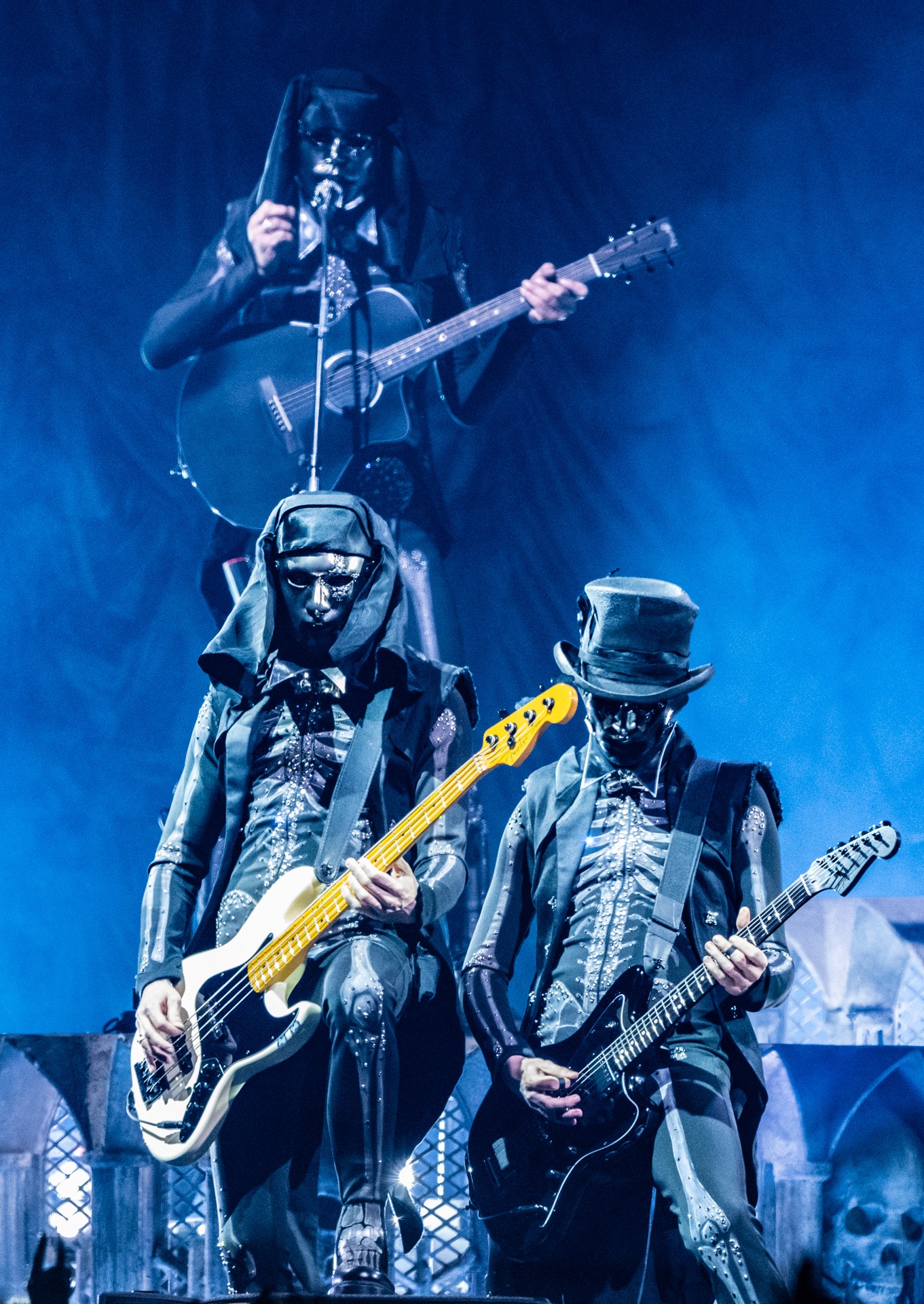
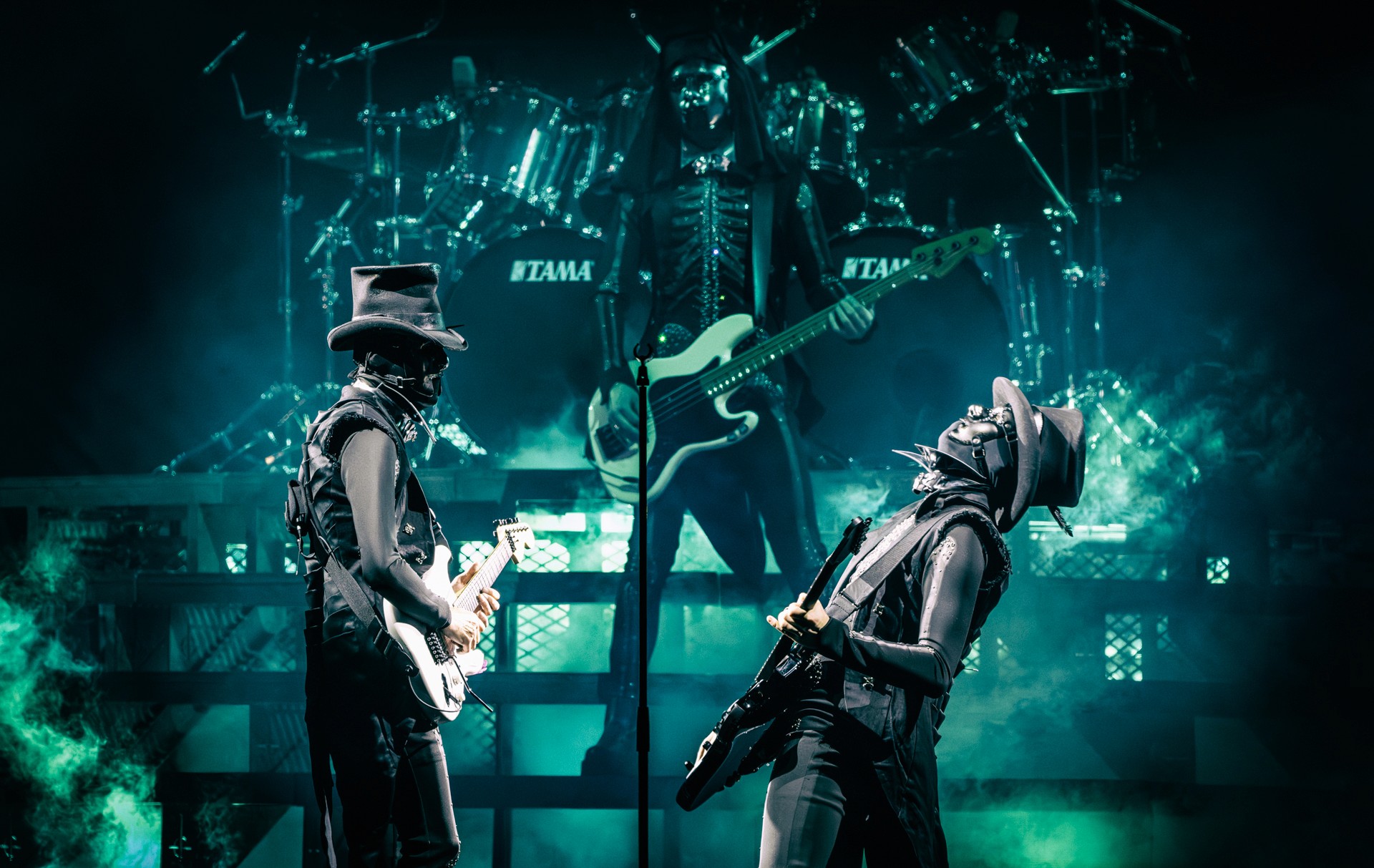
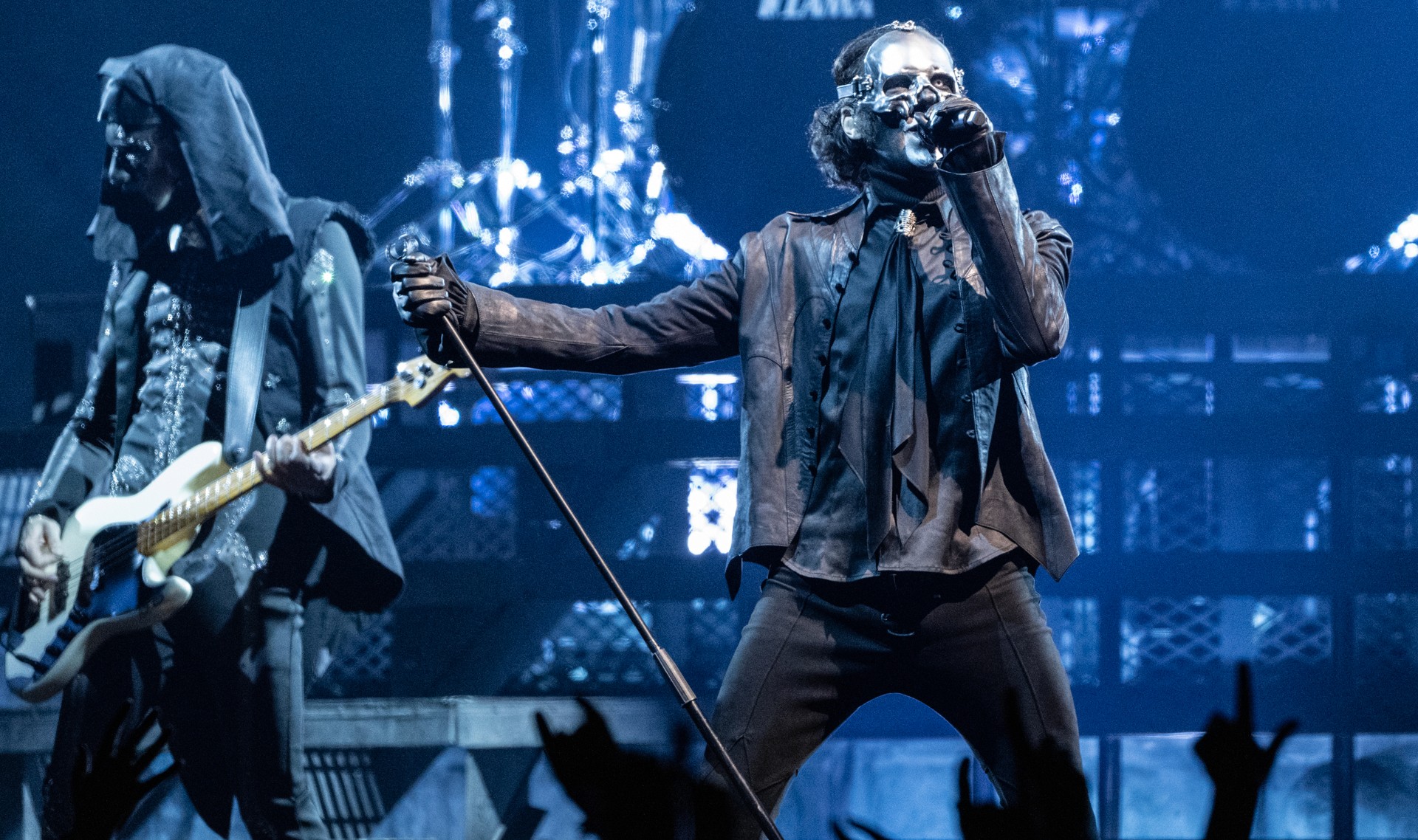
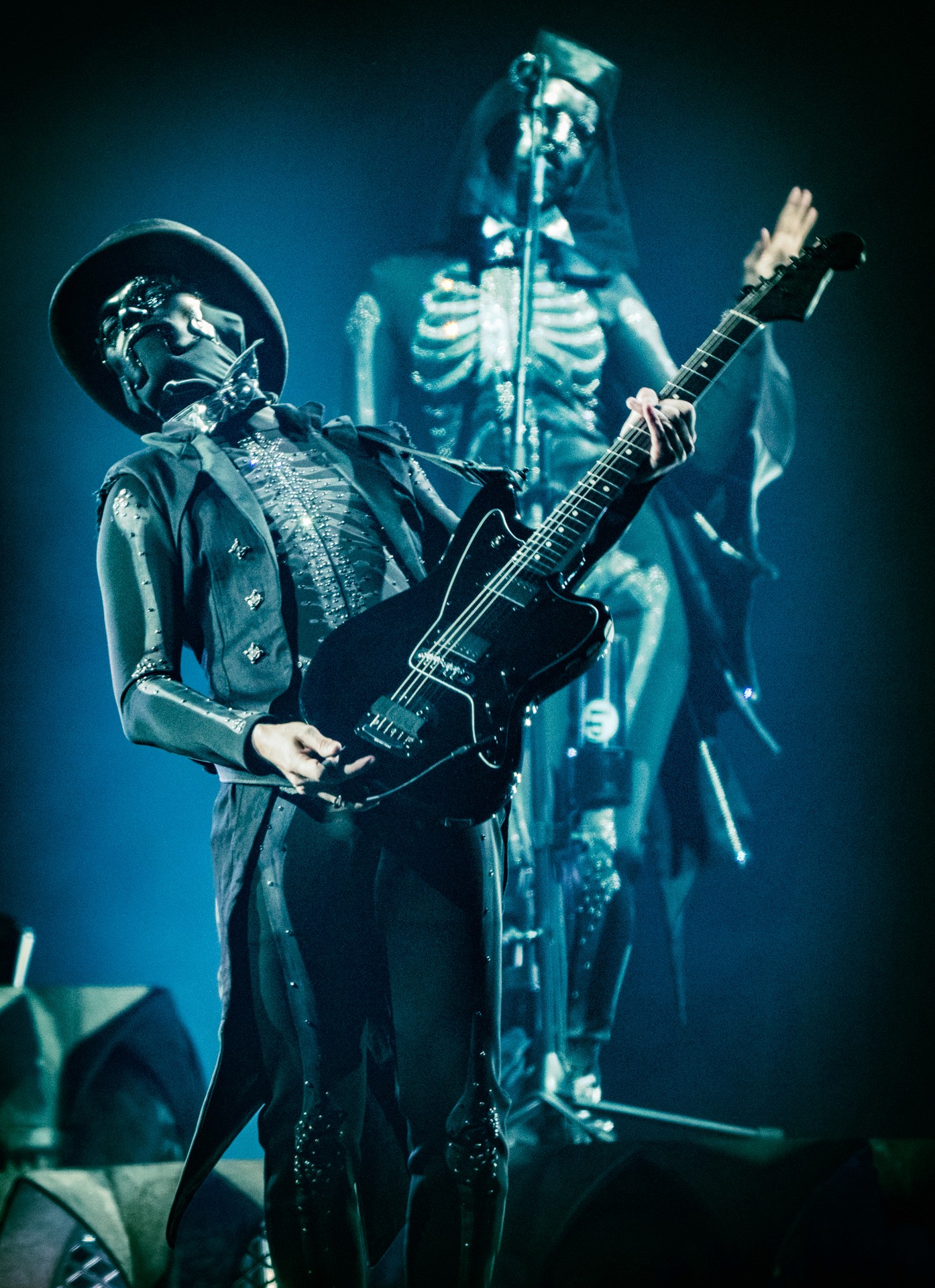
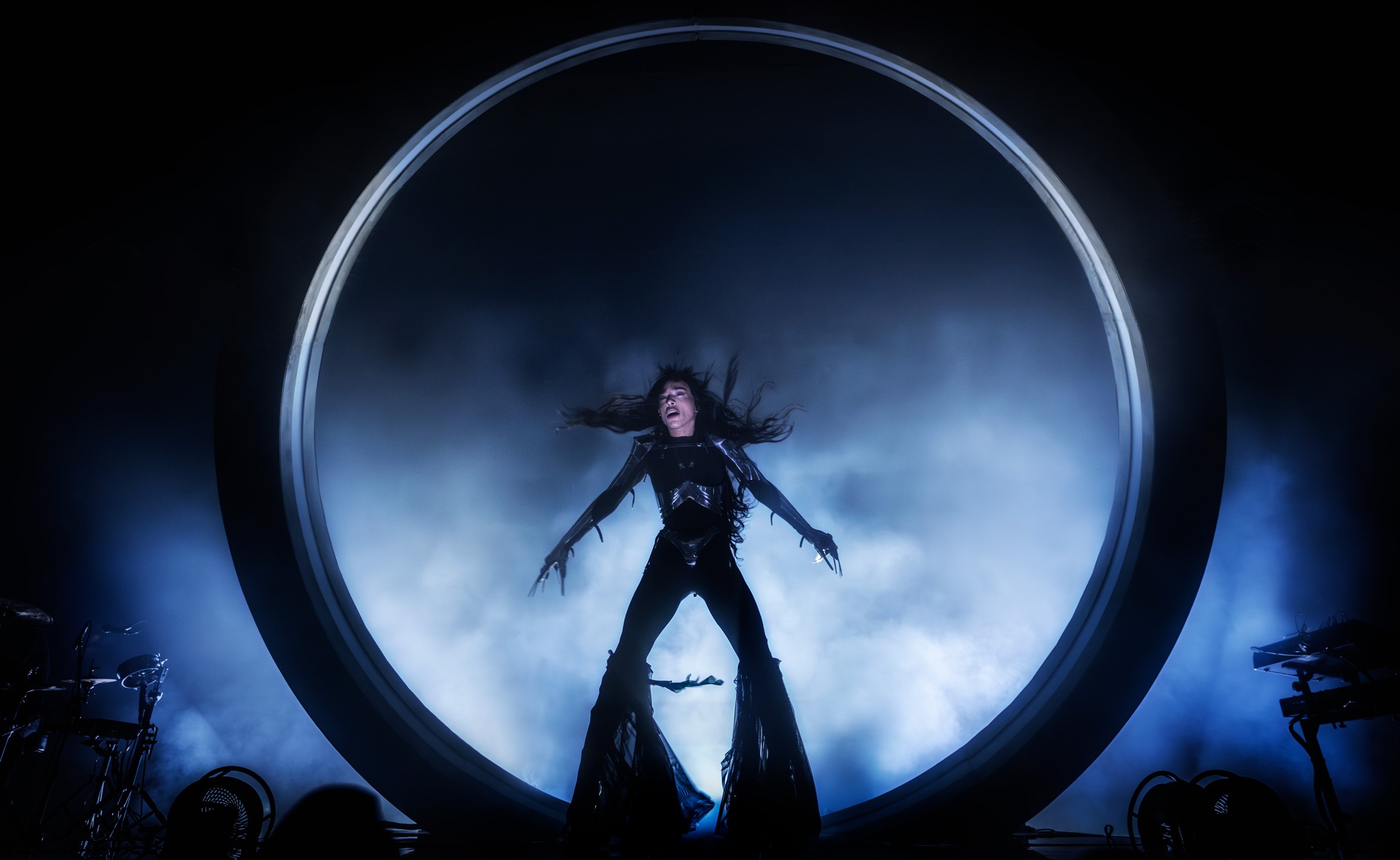
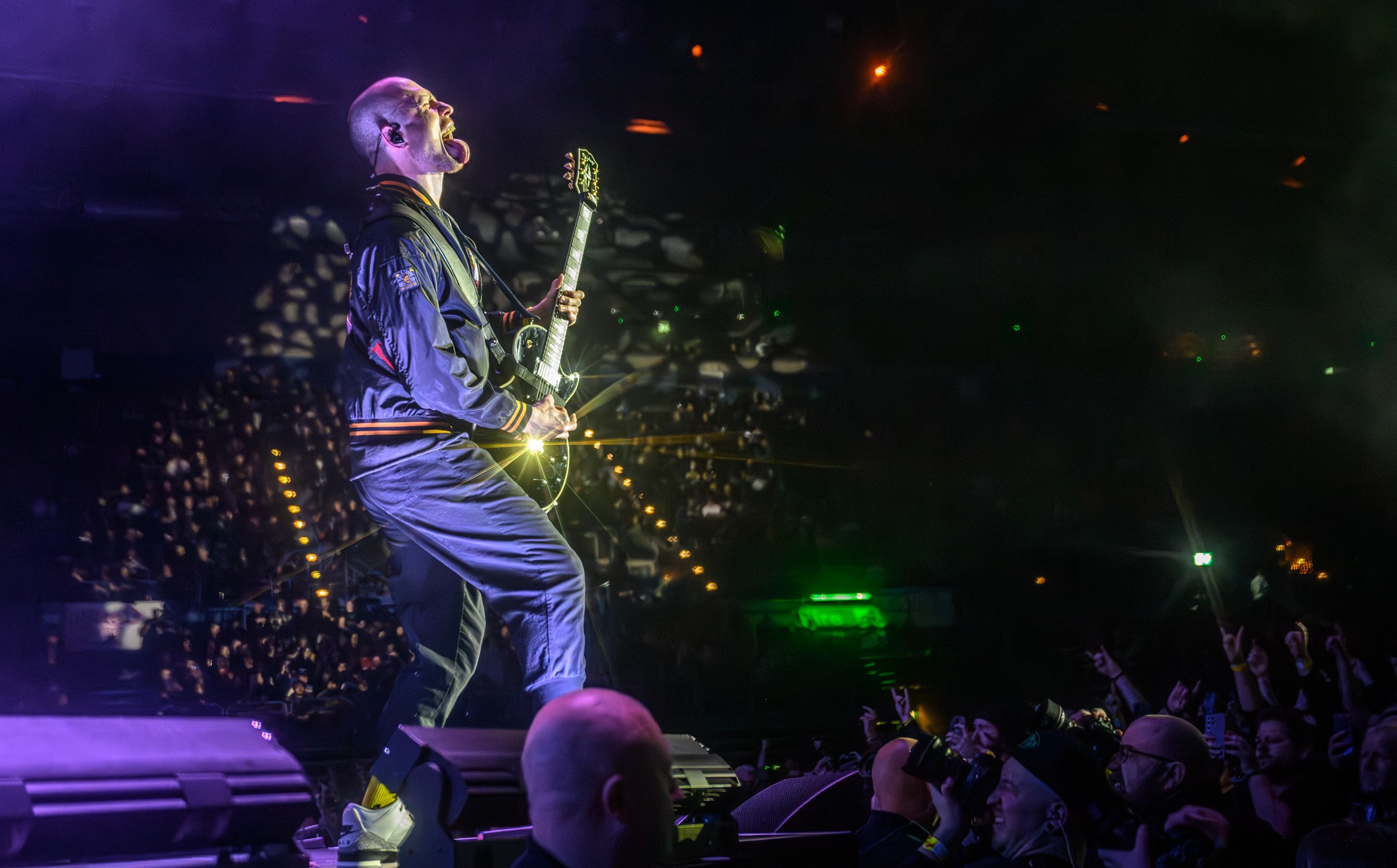
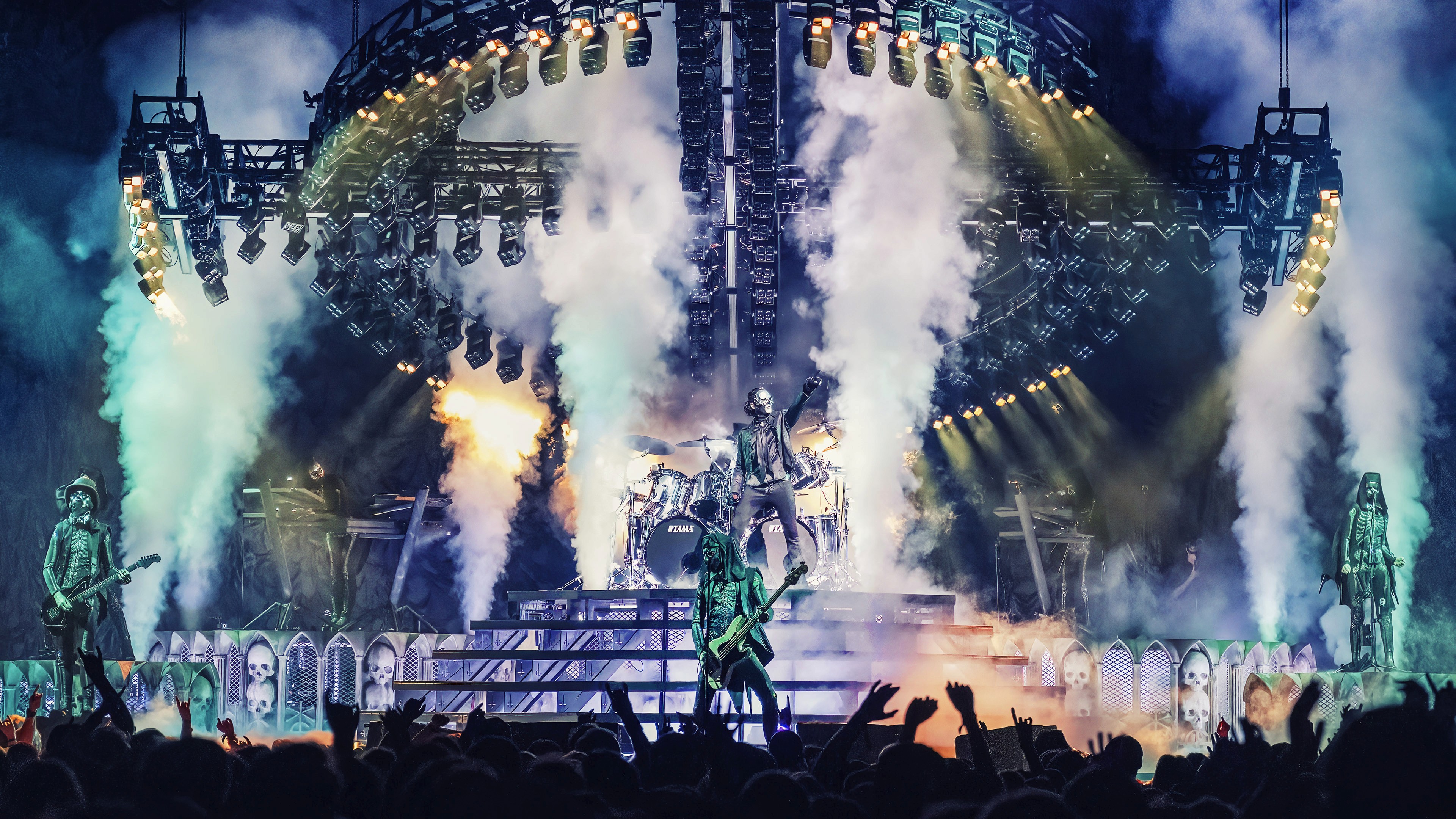
Ghost photographed at The O2 Arena London and Utilita Arena Birmingham during Skeletour in 2025.
This was a highly anticipated tour, and from the outset it was clear the band wanted the audience fully immersed. In a bold move, all mobile phones and personal cameras were banned. It’s a rare decision at this scale, but one that immediately changed the dynamic of the room. From a visual standpoint, it created a much cleaner environment to shoot in, even if access itself was significantly restricted.
Unlike their previous tour where I had pit access and full-set shooting allowed for close, detailed coverage—this time photographers were confined to the sound desk. For a band like Ghost, whose identity is so deeply tied to theatrical staging, costume, and atmosphere, that distance felt like a major limitation. Their performances are meticulously constructed: dramatic lighting cues, layered set design, and the ever-evolving presence of Tobias Forge in full regalia as Papa Emeritus. Being held so far back meant losing the intimacy of those details—the textures, expressions, and small gestures that bring the performance to life in still images.
Technically, it became a different kind of shoot altogether. Long lenses were essential, and even then, framing was dictated more by distance than intention. You find yourself working harder for composition—isolating moments within a much larger visual field, waiting for lighting cues to align with positioning, and accepting that not every shot will carry the same immediacy as one taken from the pit.
From a photographic standpoint, the Skeletour was as challenging as it was rewarding. The distance forced a more considered approach, the restrictions removed familiar comforts, and the conditions—particularly in Birmingham—required adaptability. But it also offered something increasingly rare: a crowd fully present in the moment, and a performance designed to be experienced rather than documented.
Even from afar, the scale and intent of Ghost’s production still came through. The challenge was simply finding a way to translate that spectacle into a frame—without ever quite being as close to it as I’d like.
Ghost photographed at The O2 Arena London and Utilita Arena Birmingham during Skeletour in 2025.
This was a highly anticipated tour, and from the outset it was clear the band wanted the audience fully immersed. In a bold move, all mobile phones and personal cameras were banned. It’s a rare decision at this scale, but one that immediately changed the dynamic of the room. From a visual standpoint, it created a much cleaner environment to shoot in, even if access itself was significantly restricted.
Unlike their previous tour where I had pit access and full-set shooting allowed for close, detailed coverage—this time photographers were confined to the sound desk. For a band like Ghost, whose identity is so deeply tied to theatrical staging, costume, and atmosphere, that distance felt like a major limitation. Their performances are meticulously constructed: dramatic lighting cues, layered set design, and the ever-evolving presence of Tobias Forge in full regalia as Papa Emeritus. Being held so far back meant losing the intimacy of those details—the textures, expressions, and small gestures that bring the performance to life in still images.
Technically, it became a different kind of shoot altogether. Long lenses were essential, and even then, framing was dictated more by distance than intention. You find yourself working harder for composition—isolating moments within a much larger visual field, waiting for lighting cues to align with positioning, and accepting that not every shot will carry the same immediacy as one taken from the pit.
From a photographic standpoint, the Skeletour was as challenging as it was rewarding. The distance forced a more considered approach, the restrictions removed familiar comforts, and the conditions—particularly in Birmingham—required adaptability. But it also offered something increasingly rare: a crowd fully present in the moment, and a performance designed to be experienced rather than documented.
Even from afar, the scale and intent of Ghost’s production still came through. The challenge was simply finding a way to translate that spectacle into a frame—without ever quite being as close to it as I’d like.
Details
Details
Band/Client
Band/Client
Getty Images/Metal Hammer Magazine
Getty Images/Metal Hammer Magazine
Service/Tag
Services/Tag
Service/Tag
Live Music & Concerts
Live Music & Concerts
Concerts
Concerts
Live Events
Live Events
Year
Year
2025
2025